The Dance Between Us
Biola University — 15-Minute Short Film
Role: Production Designer
Project Overview
The Dance Between Us is a narrative short film produced through Biola University’s film program. The story explores generational trauma, memory, and healing through the eyes of a daughter navigating her complicated relationship with her father. As Production Designer, I shaped the visual world of the film across multiple timelines, ensuring that color, set details, and environmental textures grounded the emotional arc of the characters and clearly differentiated past and present.
Design Goals & Concept
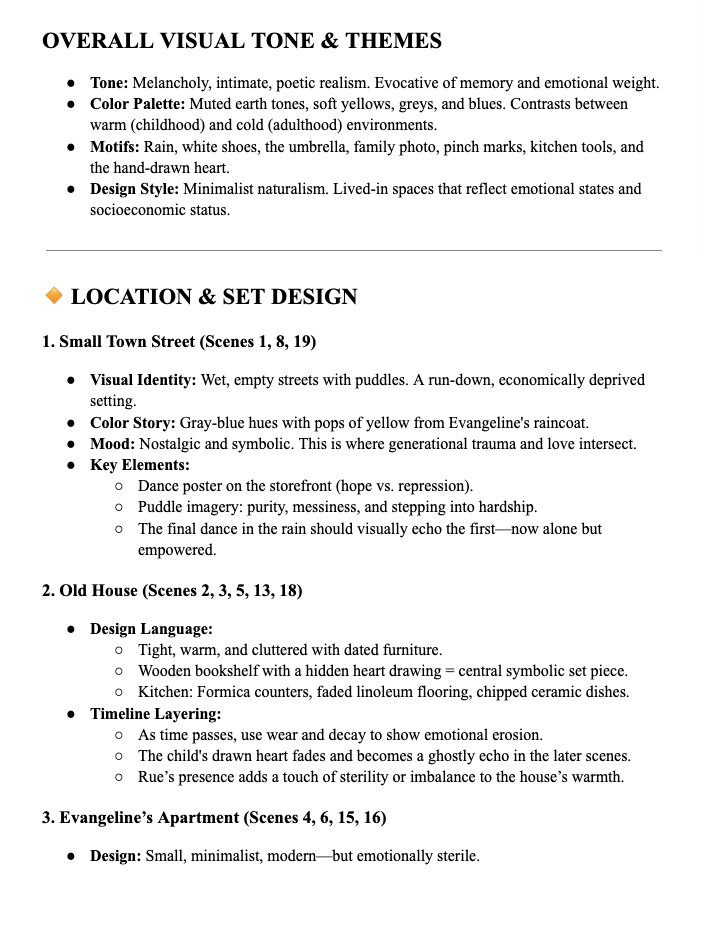
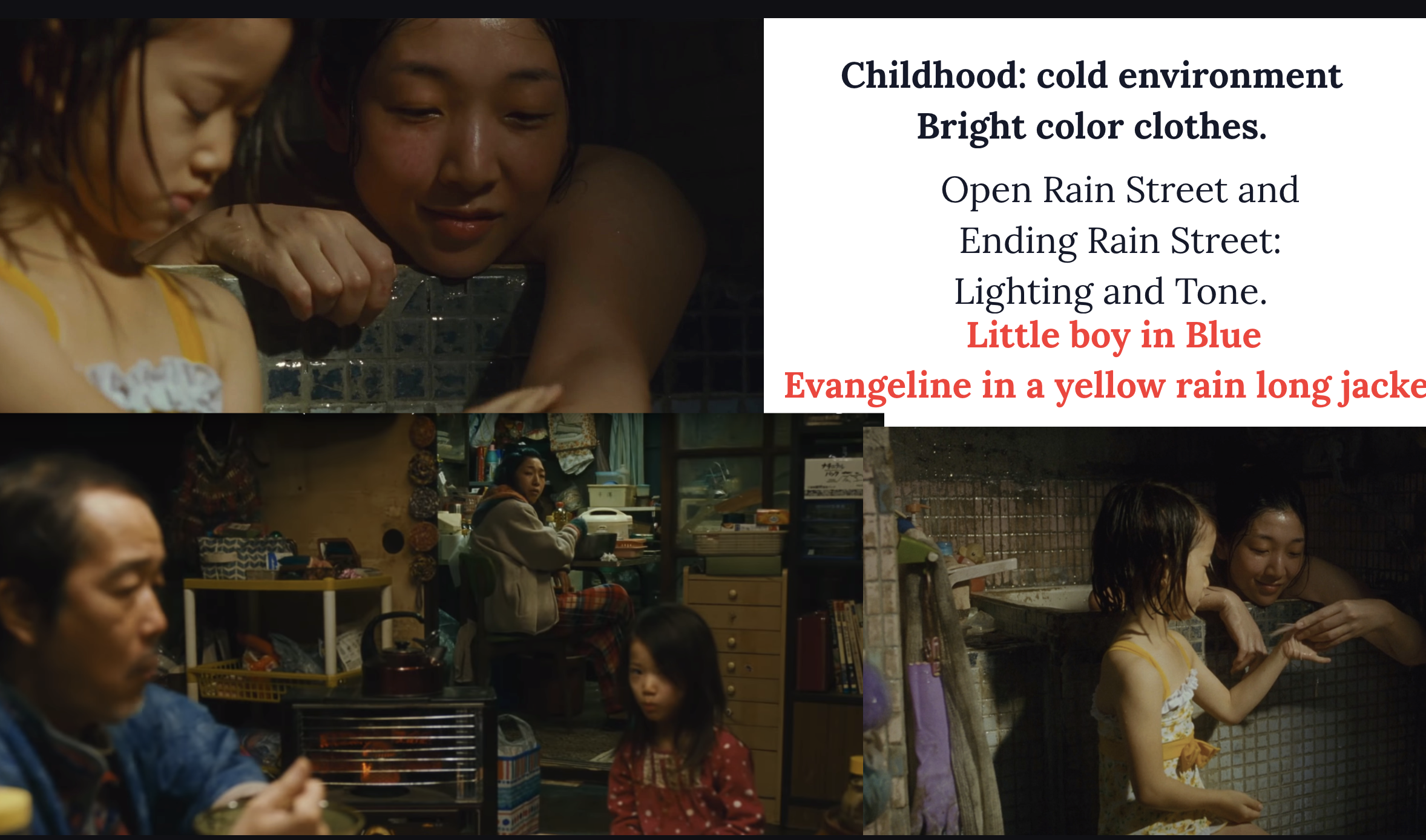
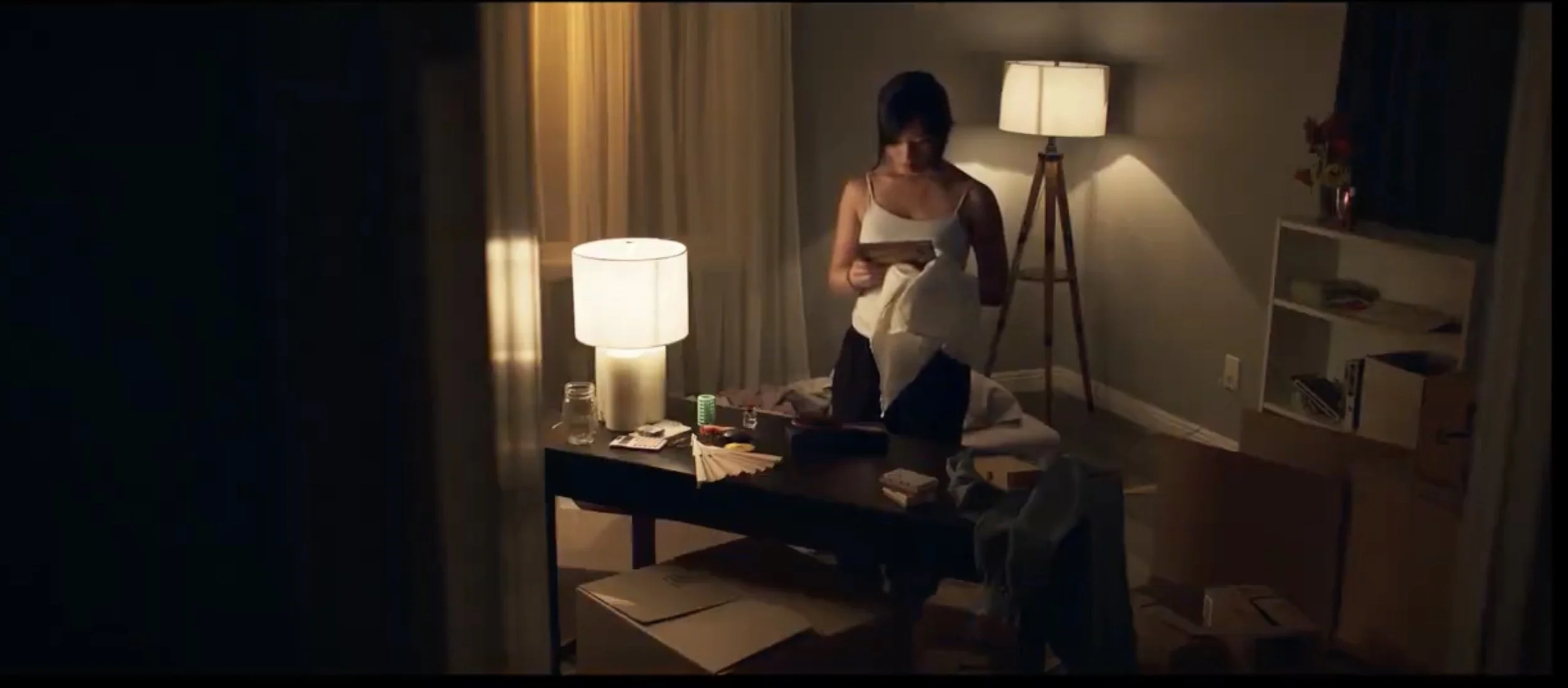
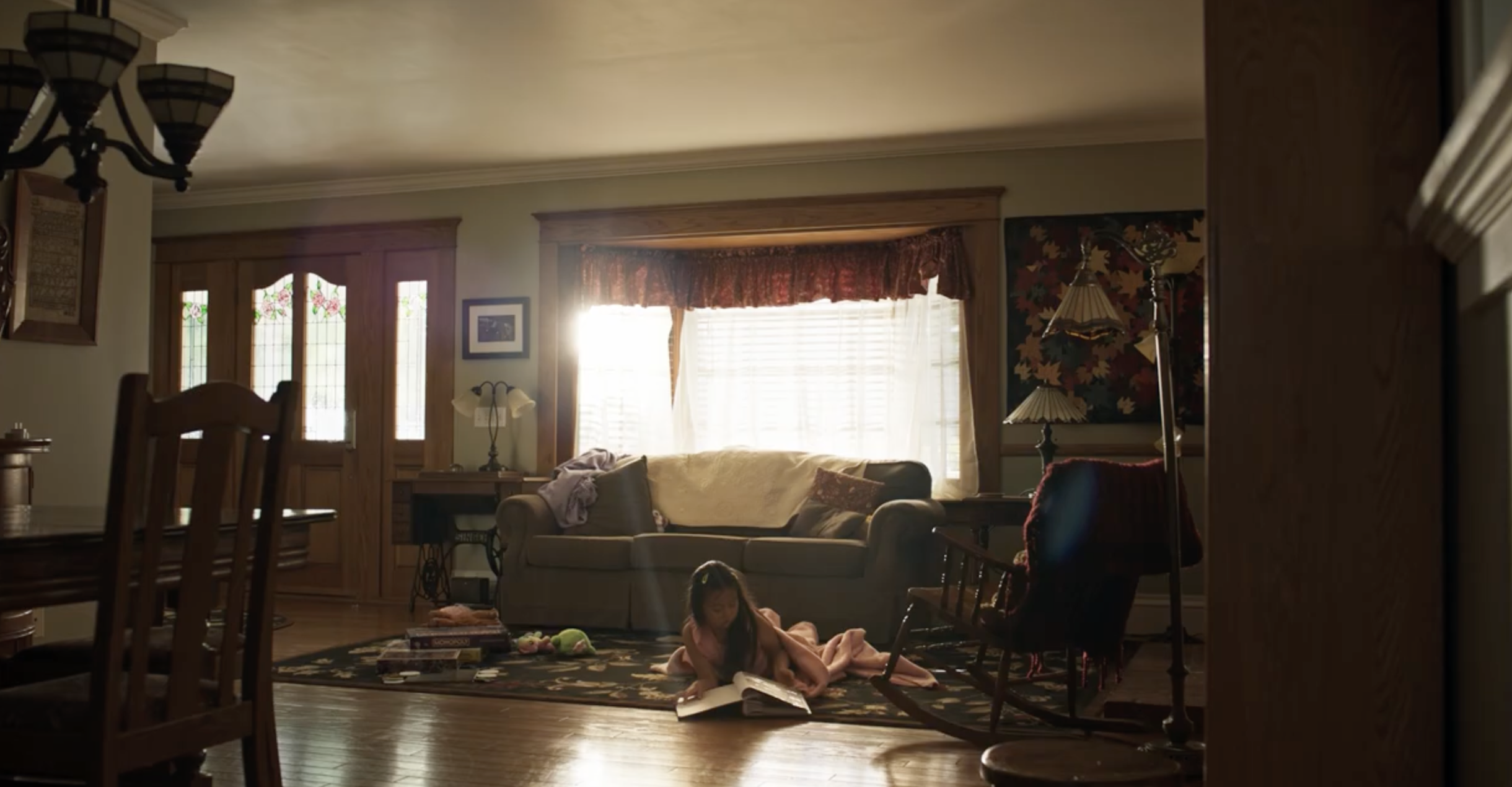
The visual design centered on creating a contrast between childhood nostalgia and the heaviness of unresolved trauma. Childhood scenes leaned into warm, worn-in textures and colorful, cluttered spaces, while adult sequences shifted toward minimalist, colder environments that reflect emotional distance.
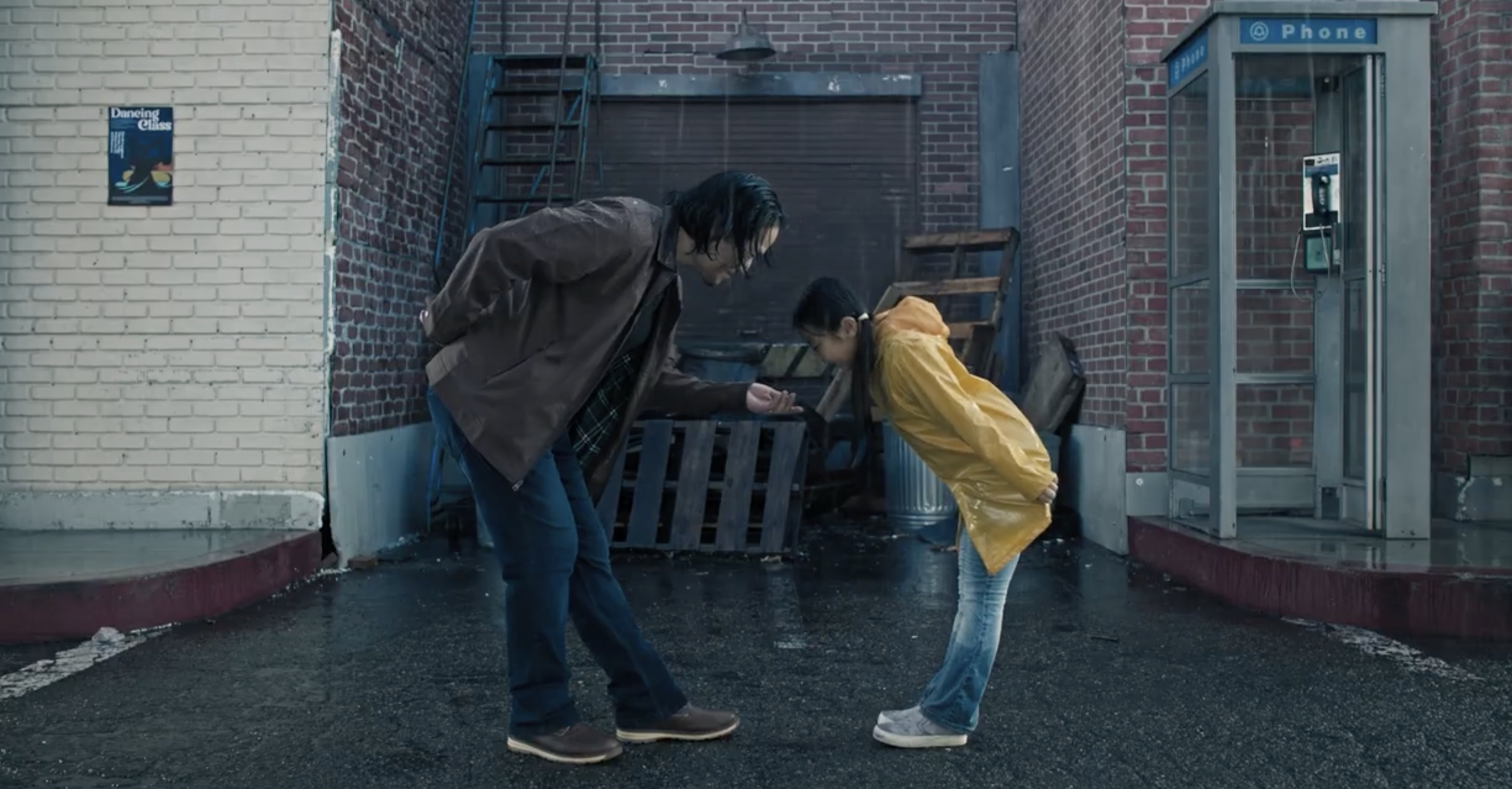
Rain, shoes, and domestic spaces function as repeating visual motifs throughout the story, so the design emphasized symbolic details—such as the old house’s faded heart drawing or the contrast between muddy childhood shoes and blood-spattered nursing shoes—to reinforce themes of memory and broken cycles.
My goal was to build environments that made emotional states feel tangible, allowing the audience to see internal conflict reflected in the physical world.
Responsibilities as Production Designer
As Production Designer for The Dance Between Us, I was responsible for:
Developing the film’s overall visual concept, tone, and color language
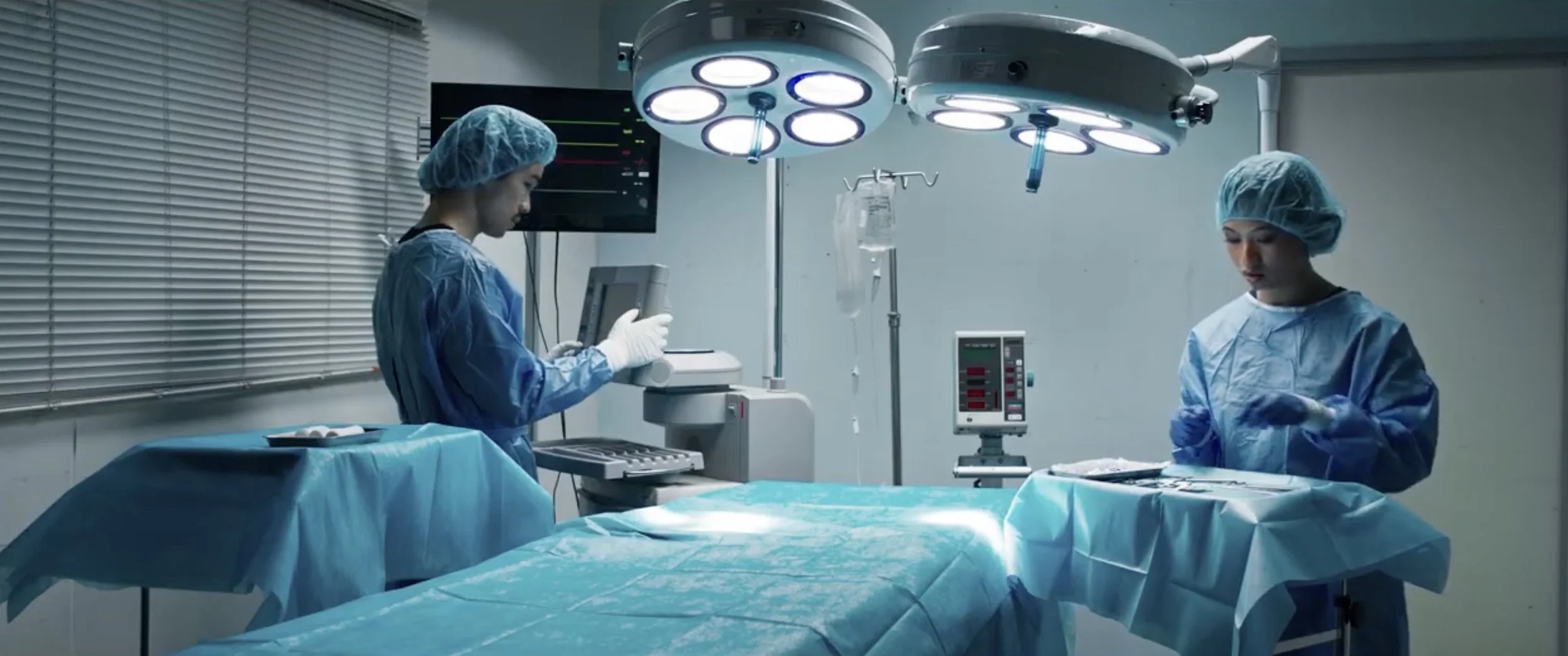
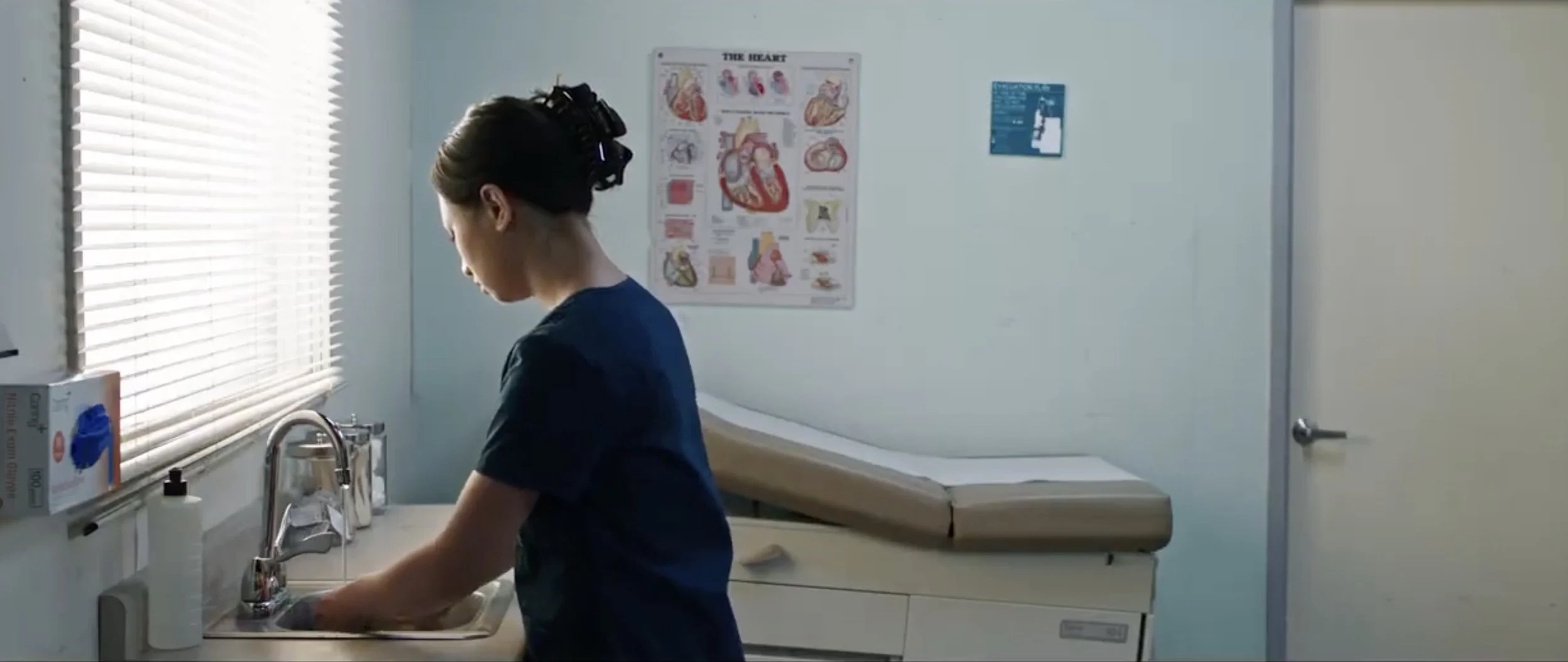
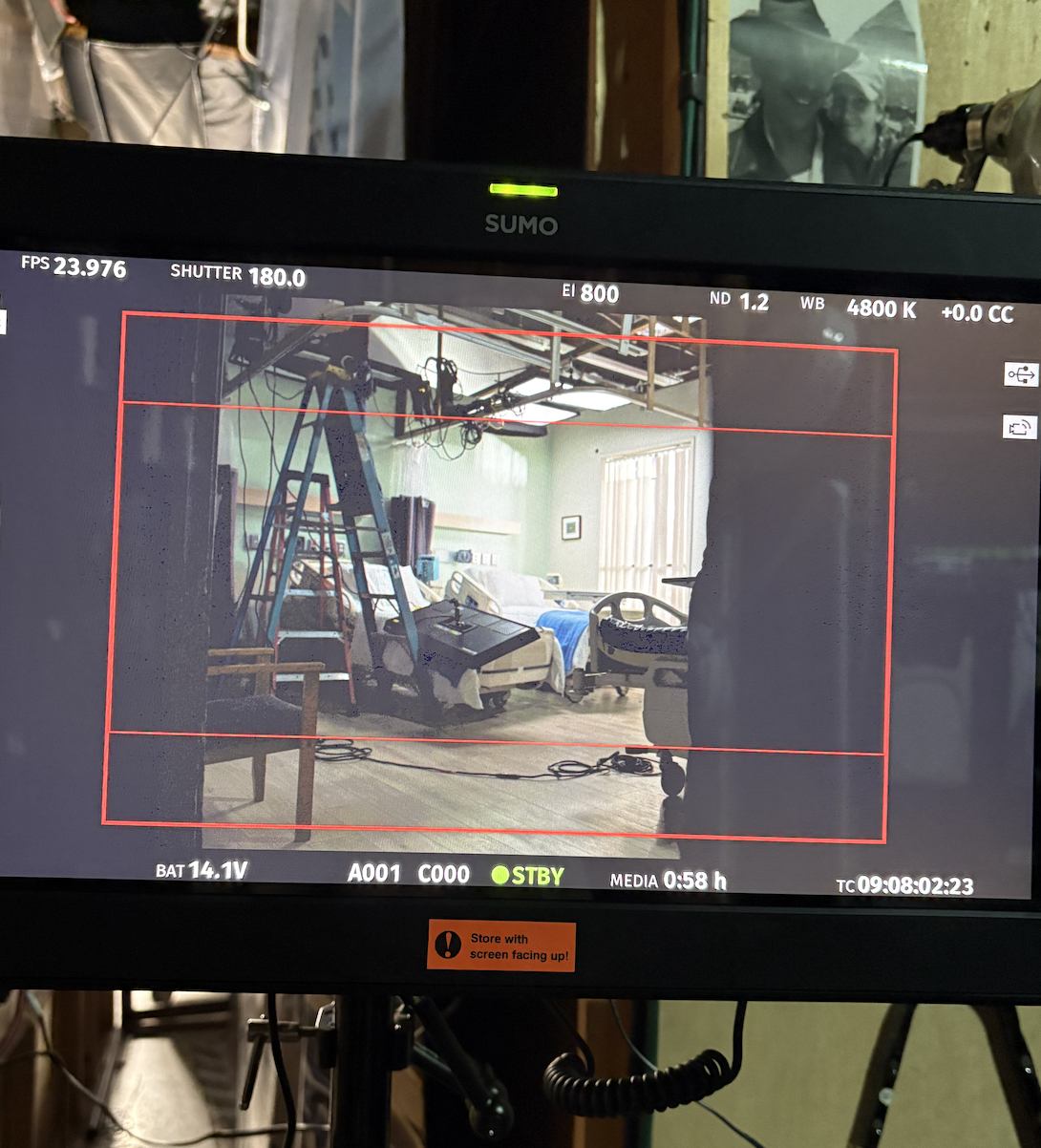
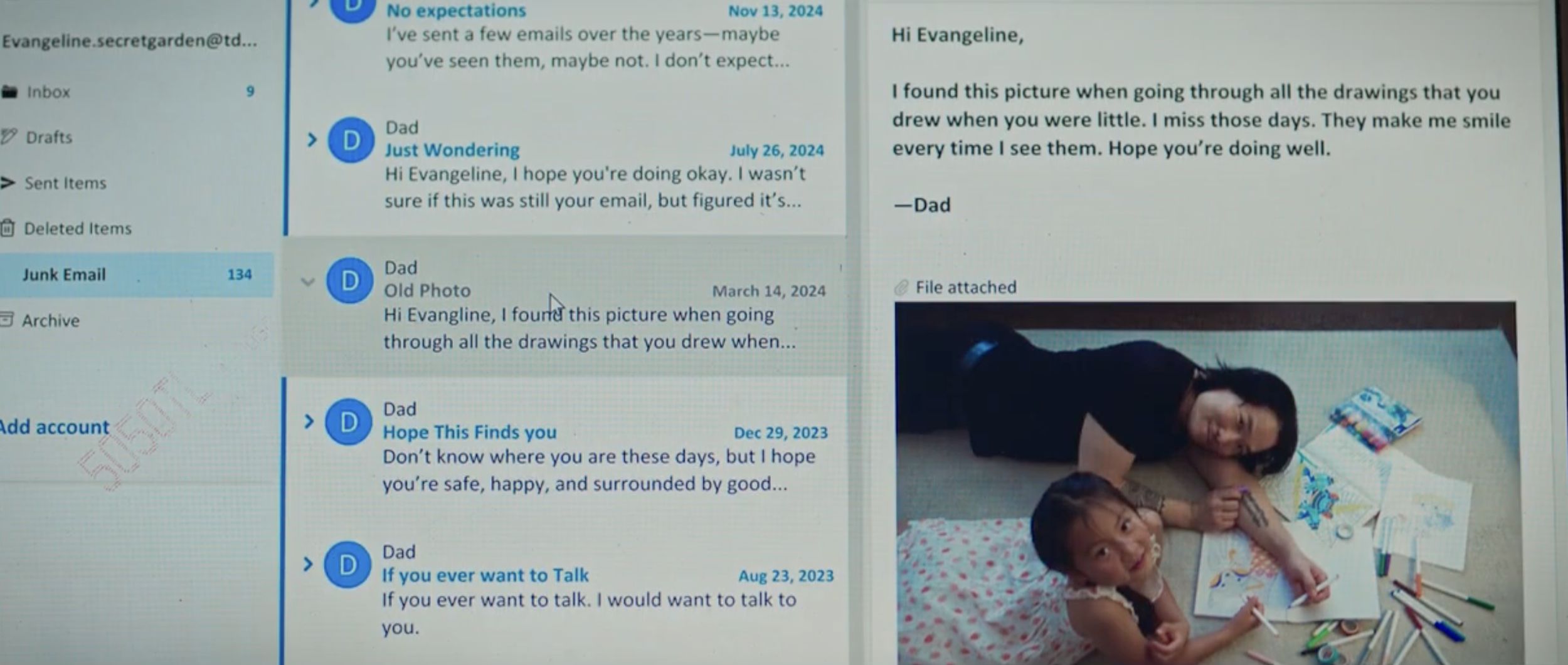
Designing and dressing sets across three timelines (childhood home, teenage years, present-day apartment and hospital environments)
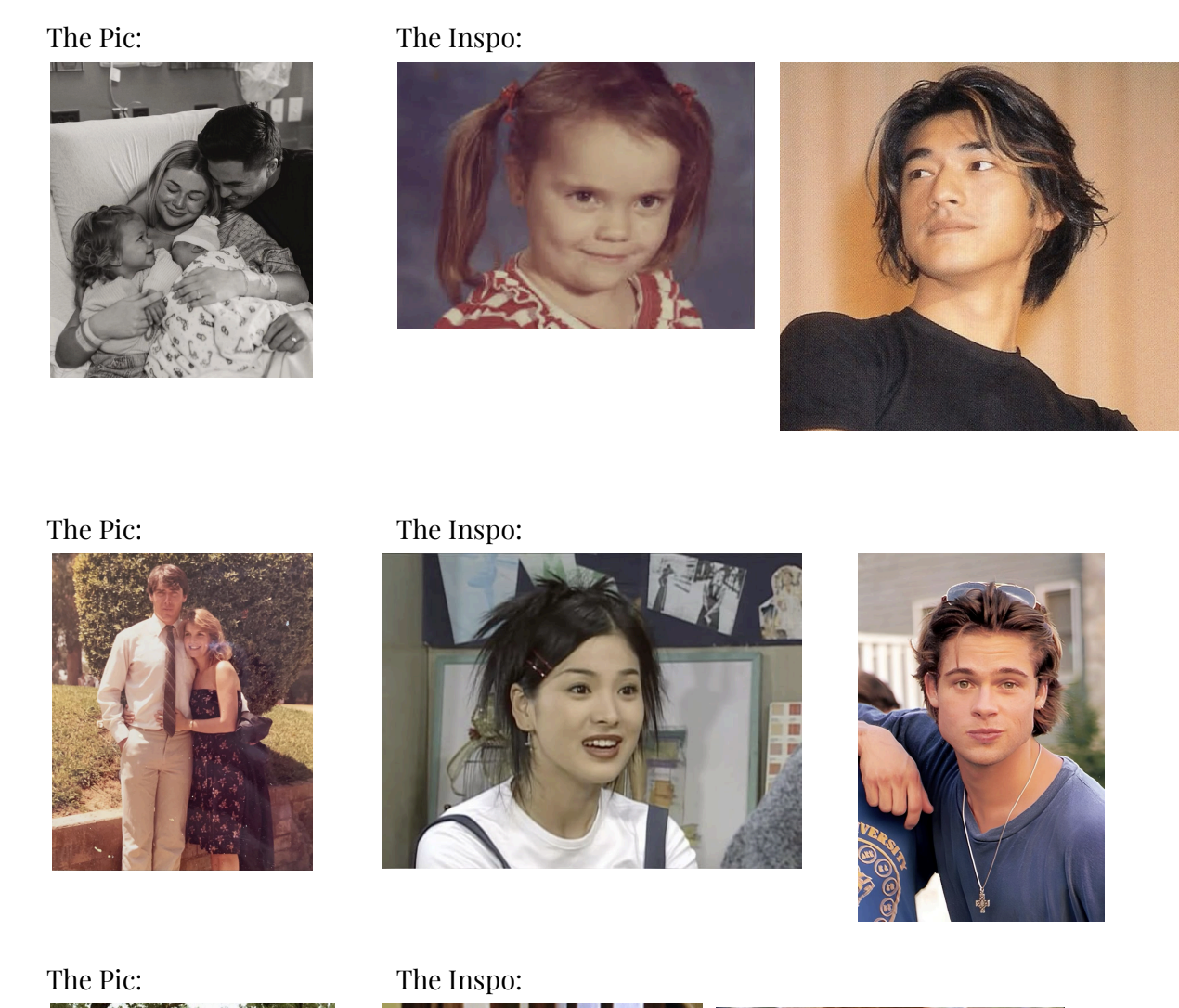
Creating moodboards and visual references for the director and cinematographer
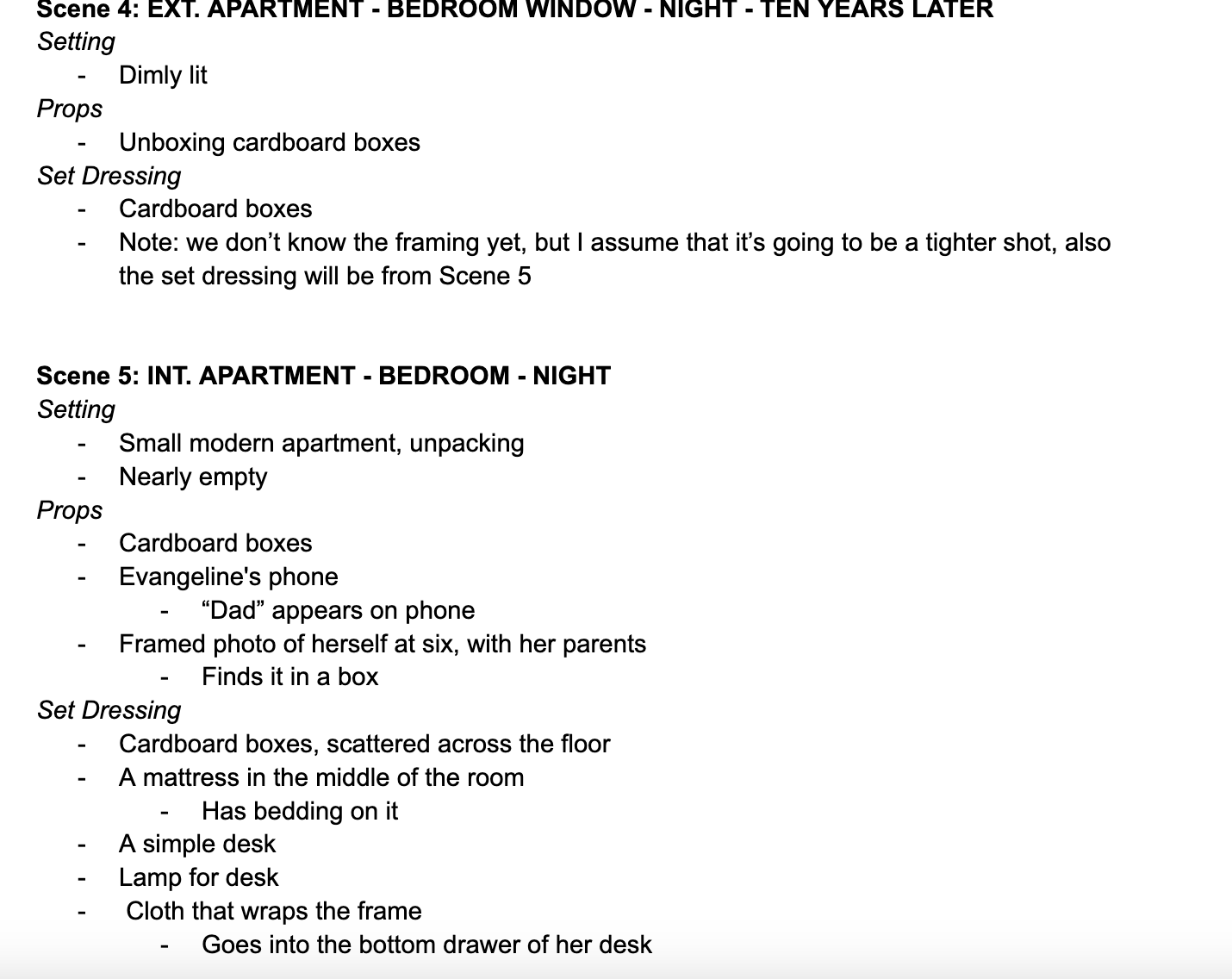
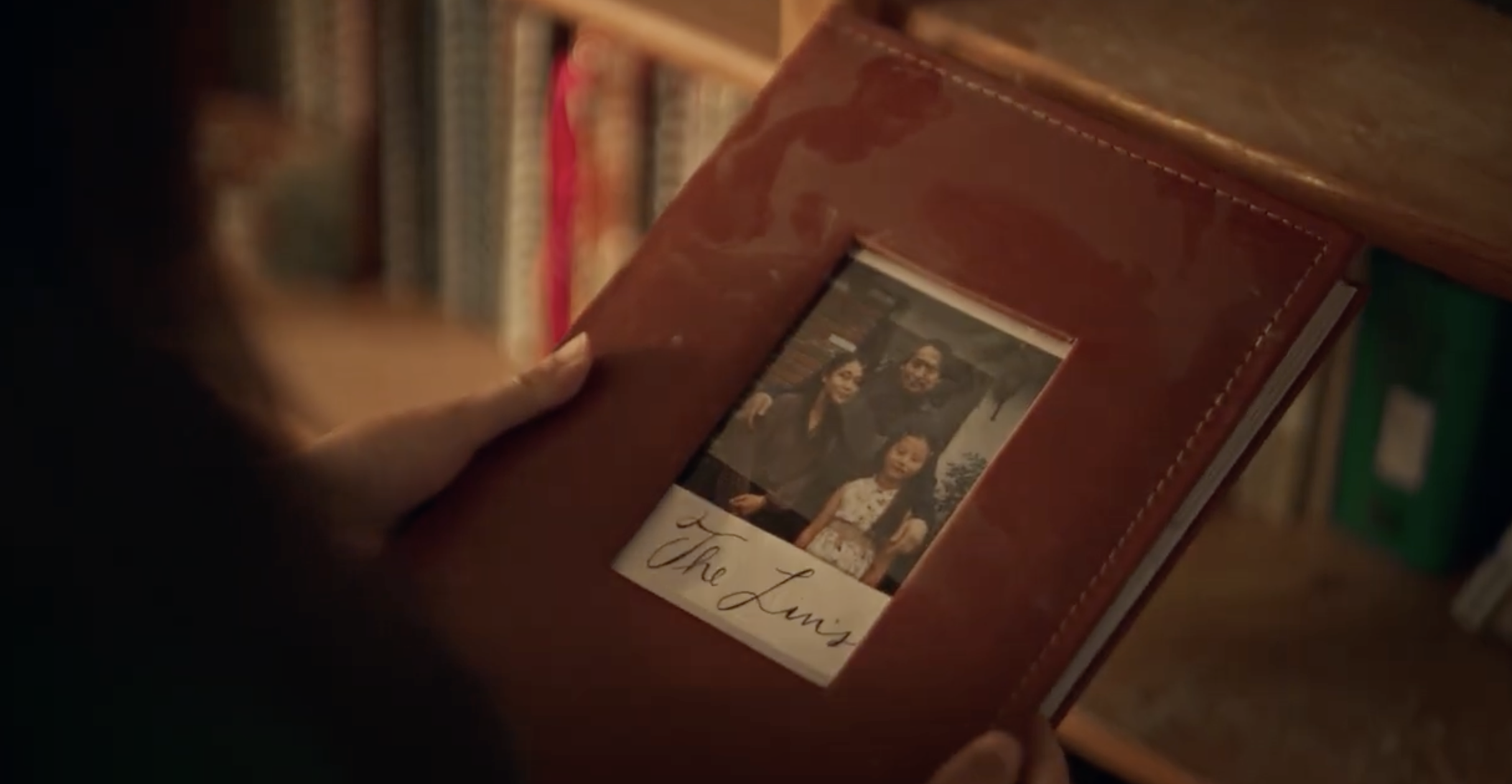
Selecting props with narrative significance (family album, umbrella, childhood drawings, yellow raincoat, shoes, letter)
Managing continuity of visual motifs across scenes (rain imagery, damage/wear, domestic items)
Styling and sourcing objects that showed aging over time (faded heart drawing, worn furniture, character belongings)
Coordinating with costume, hair, and makeup to maintain character consistency and emotional progression
Preparing spaces for both scripted scenes and emotional beats revealed through silence, memory, or flashback
Final Result
The final design created a cohesive visual journey across decades of the protagonist’s life, making emotional shifts readable through environment and detail. Each space—the cramped childhood home, the sparse adult apartment, and the sterile hospital—was crafted to echo the character’s internal struggle while visually supporting the film’s symbolic storytelling.
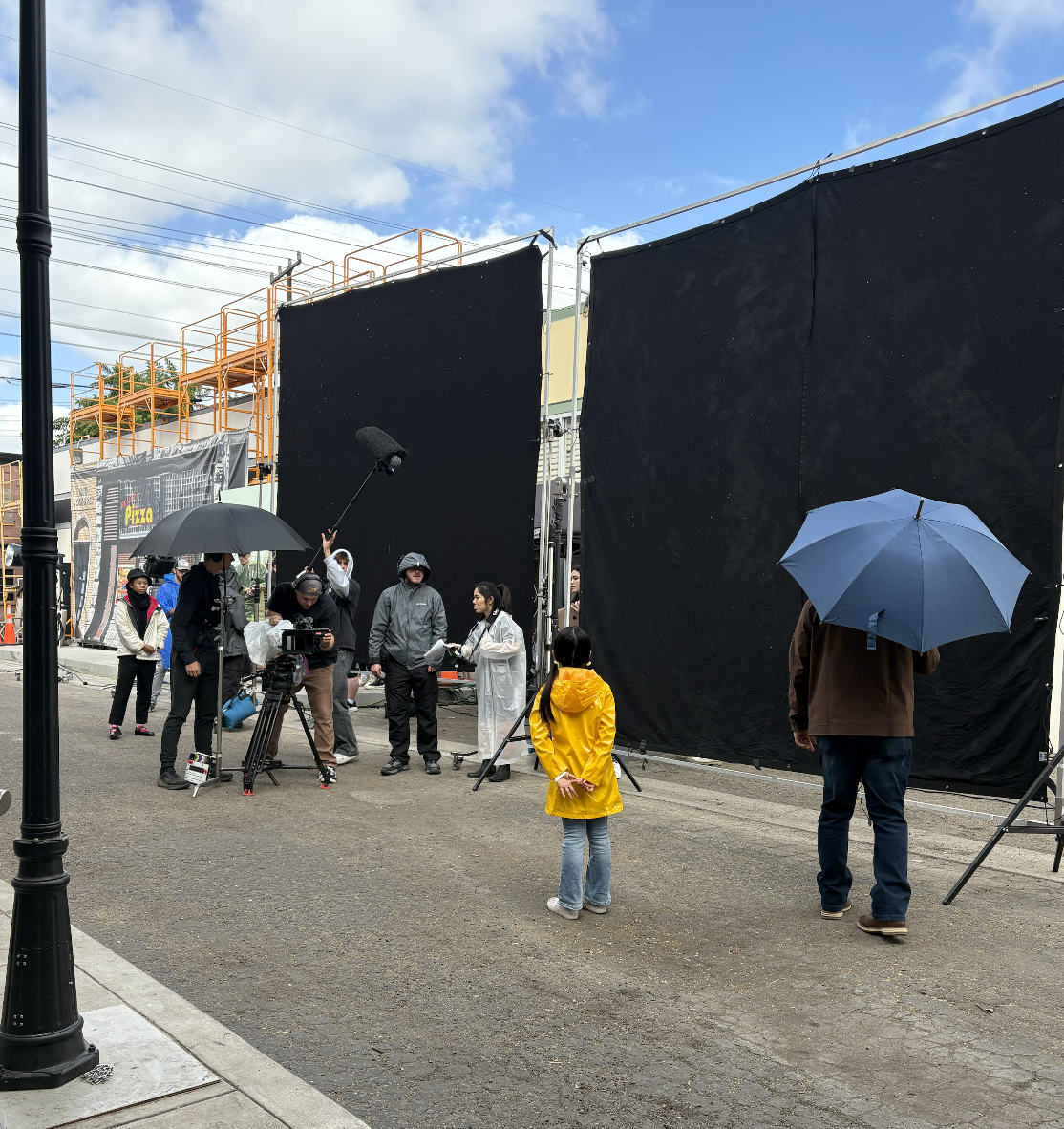
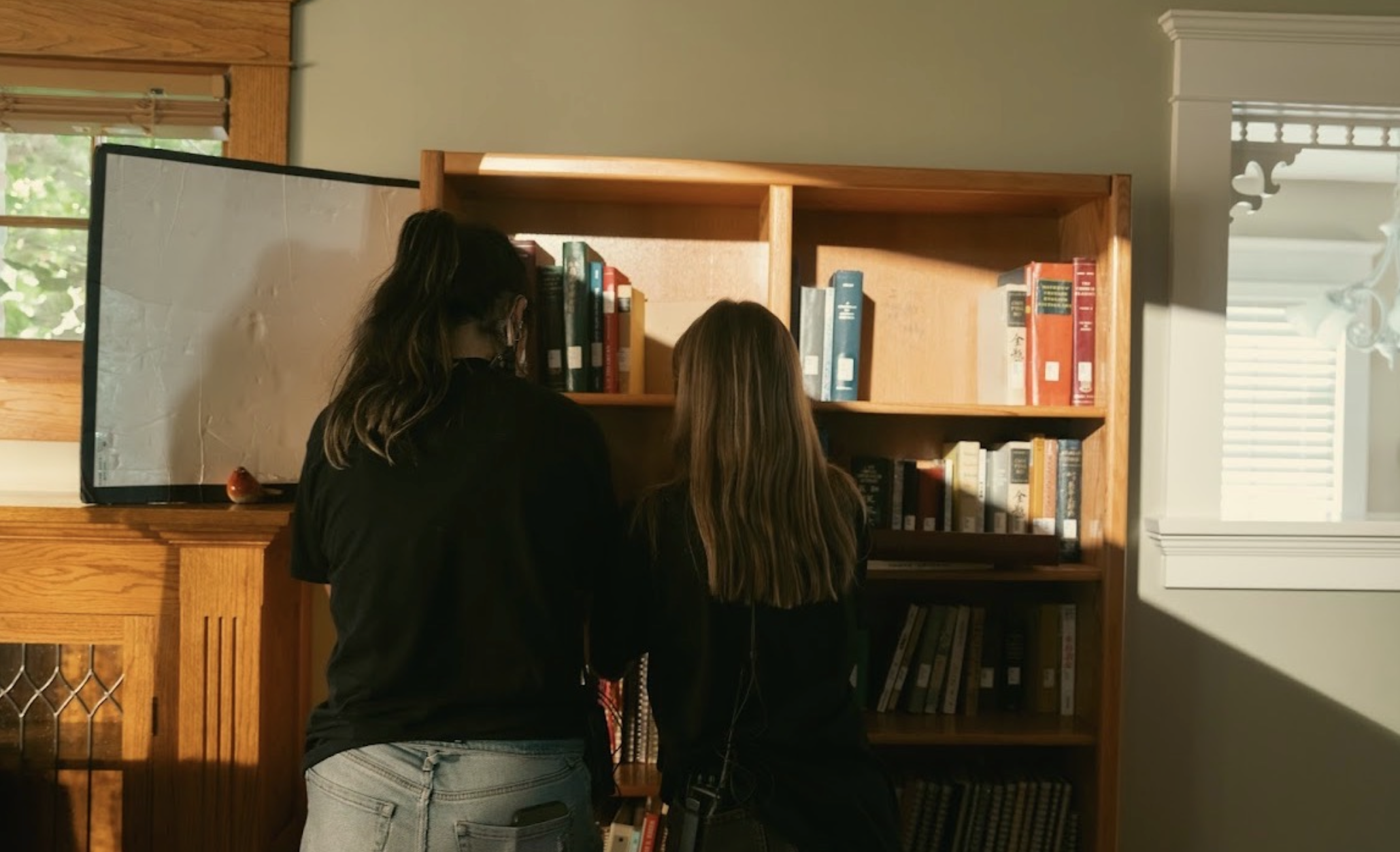
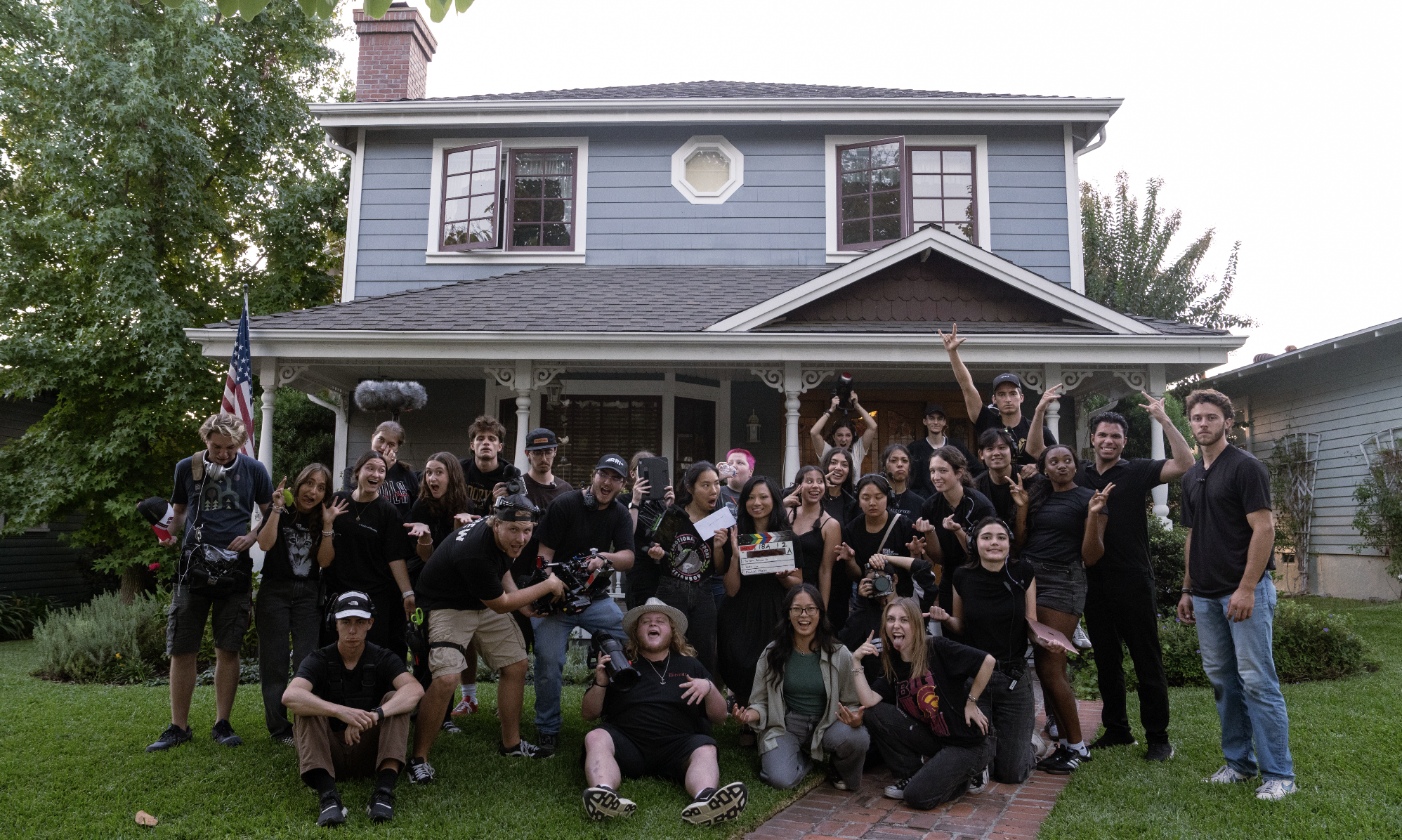
Below are production stills, behind-the-scenes images, moodboards, and concept materials documenting the film’s design process.