Married To The Bone
Biola University - 10-Minute Short Film
Role: Production Designer
Project Overview
Married to the Bone is a 10-minute dark comedy–horror short that blends retro domestic aesthetics with psychological tension. The film follows Jane Adwin, a seemingly cheerful housewife, presenting a vintage-style cooking demonstration on how to prepare roast beef. What initially appears to be a charming instructional cooking segment gradually transitions into a police interrogation, where Jane recounts the events leading up to her husband’s disappearance.
As the conversation unfolds, it becomes clear that the domestic life Jane once embraced had slowly deteriorated under the pressure of an abusive marriage. The story ultimately reveals that the very skill she took pride in—cooking—became the means through which she reclaimed control of her life. The film uses satire, horror, and dark humor to critique traditional expectations of domestic roles and the psychological toll of toxic relationships.
As Production Designer, I developed the film's visual identity by contrasting a stylized, nostalgic kitchen environment with the stark realism of a police interrogation room.
Design Goals and Concept
The central visual concept of Married to the Bone was the contrast between cheerful domestic performance and underlying violence.
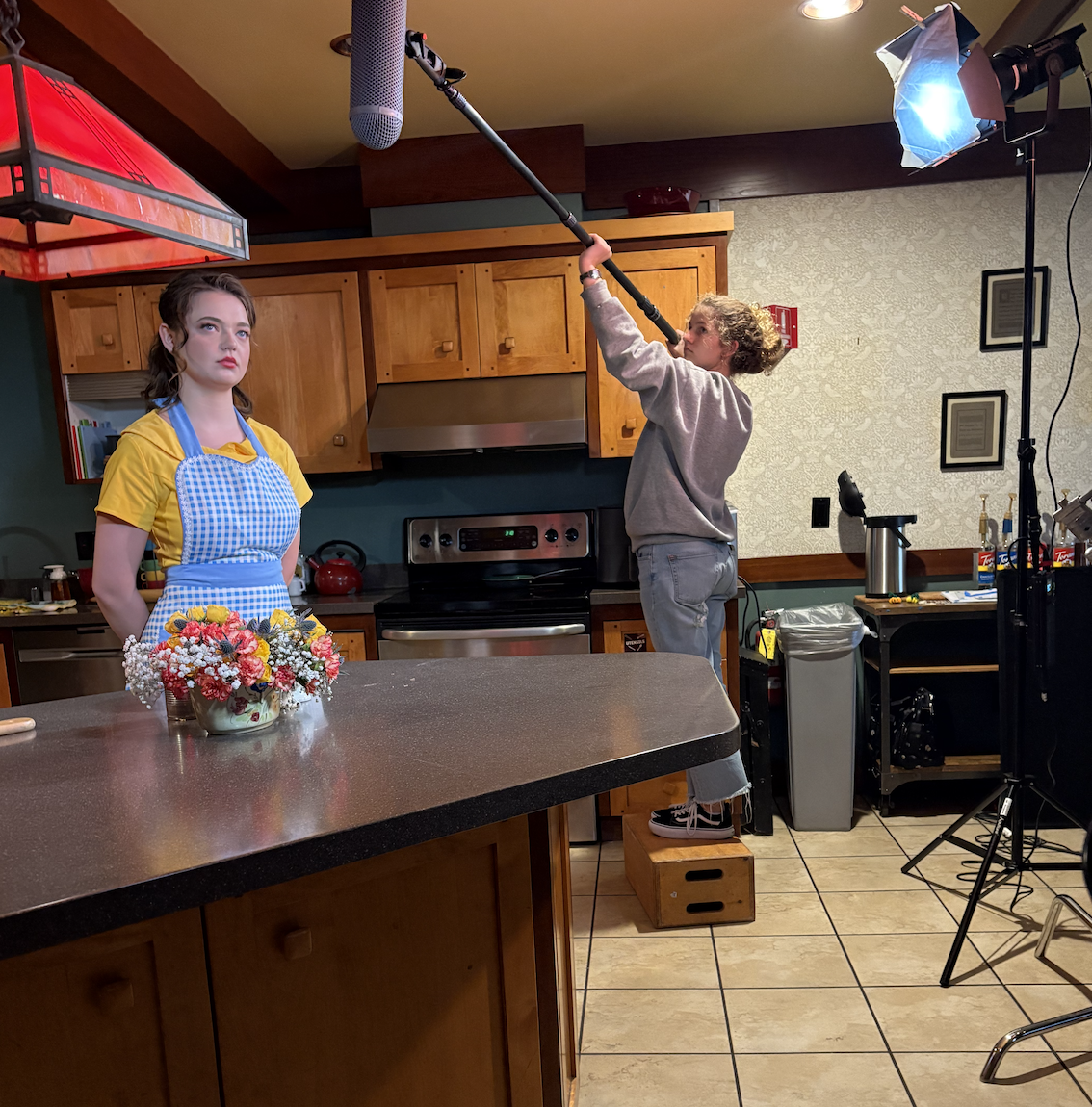
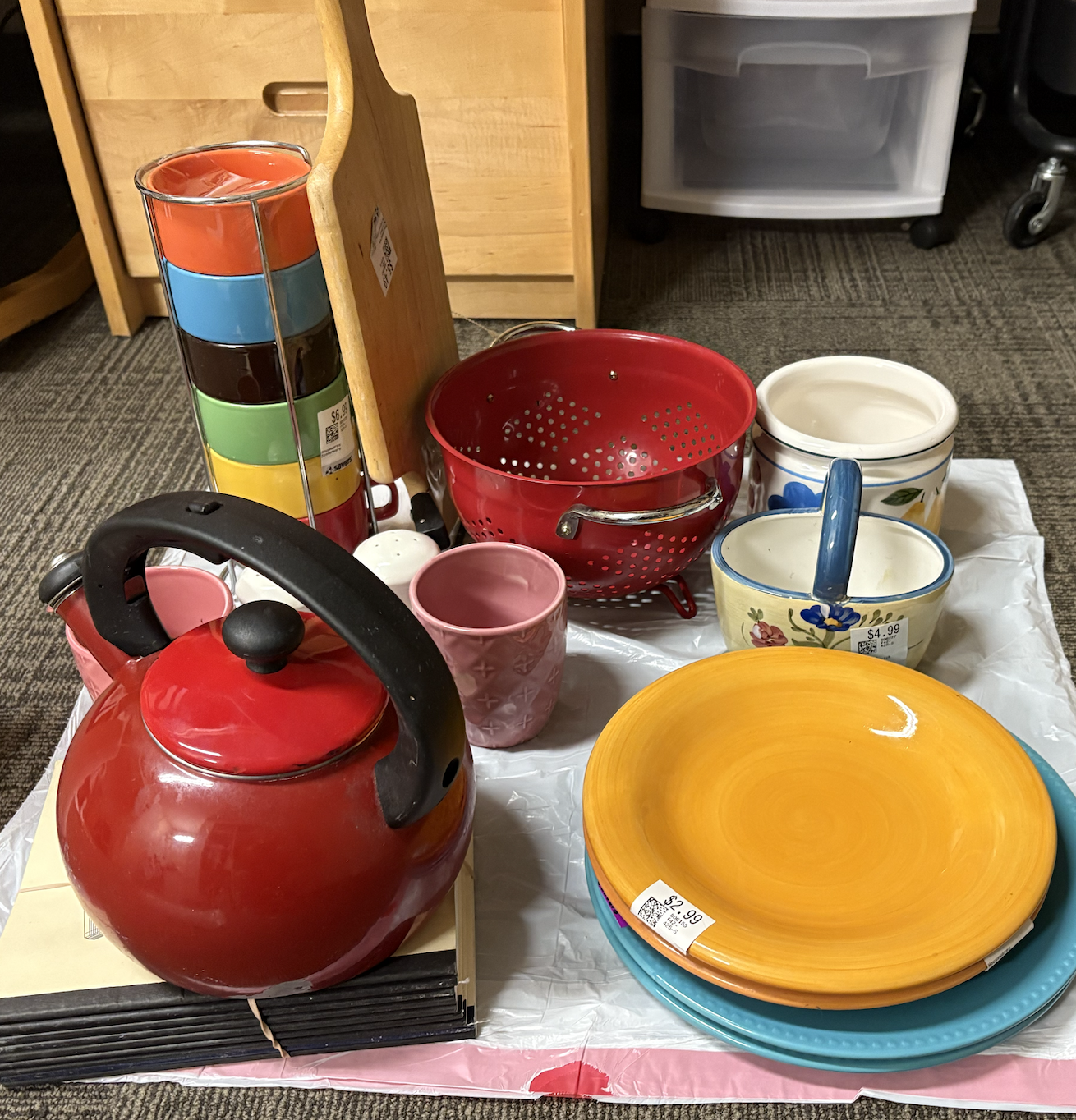
The opening cooking sequence was designed to resemble a vintage television cooking show. The kitchen environment was intentionally bright, colorful, and orderly, with neatly arranged cookware, vibrant pots and pans, and carefully staged food preparation areas. This stylized presentation reinforces the illusion of a perfect housewife performing domestic labor with enthusiasm and pride.
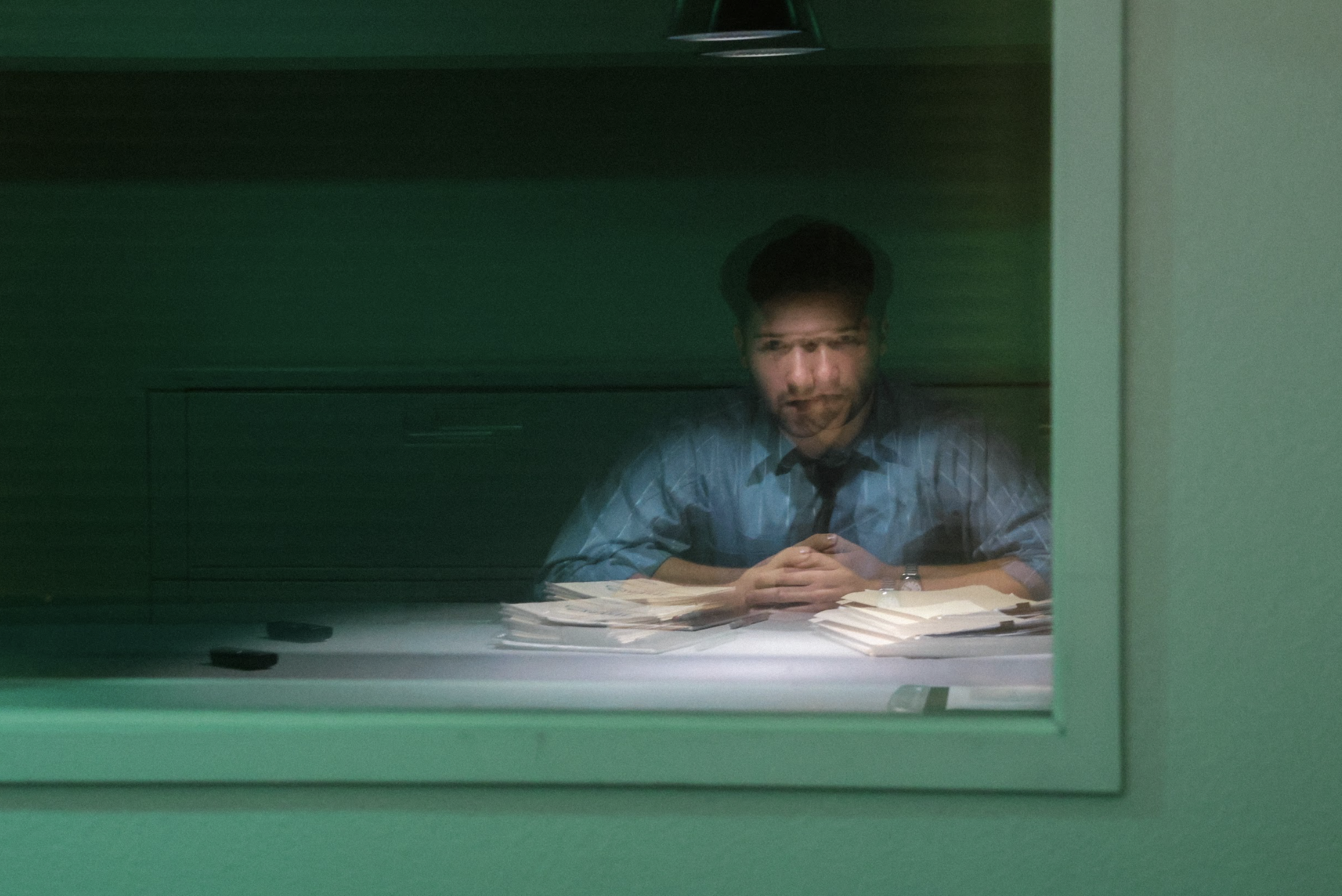
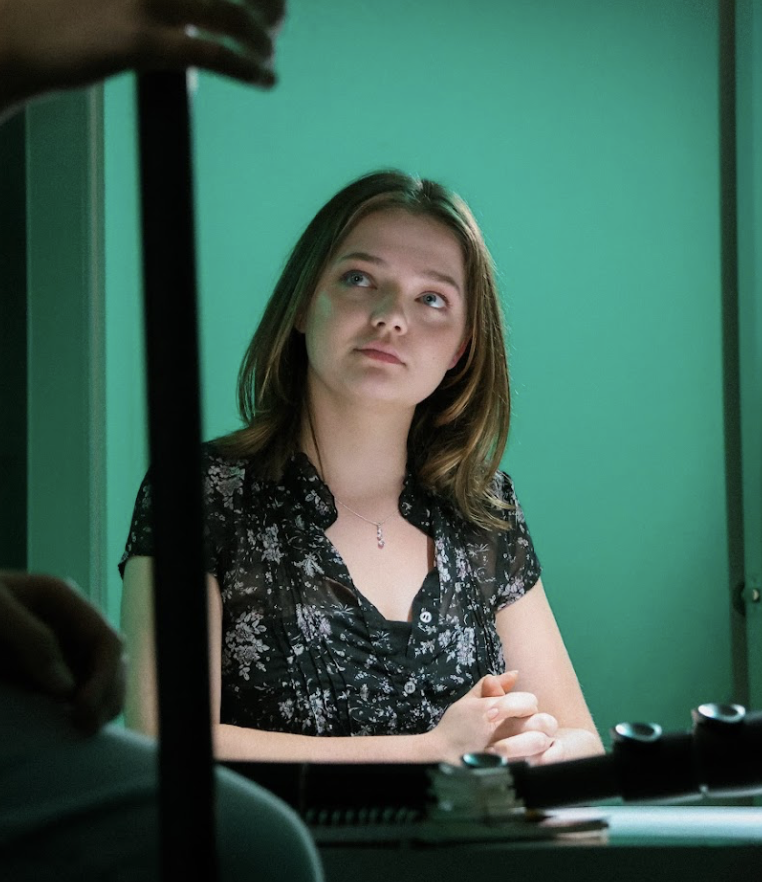
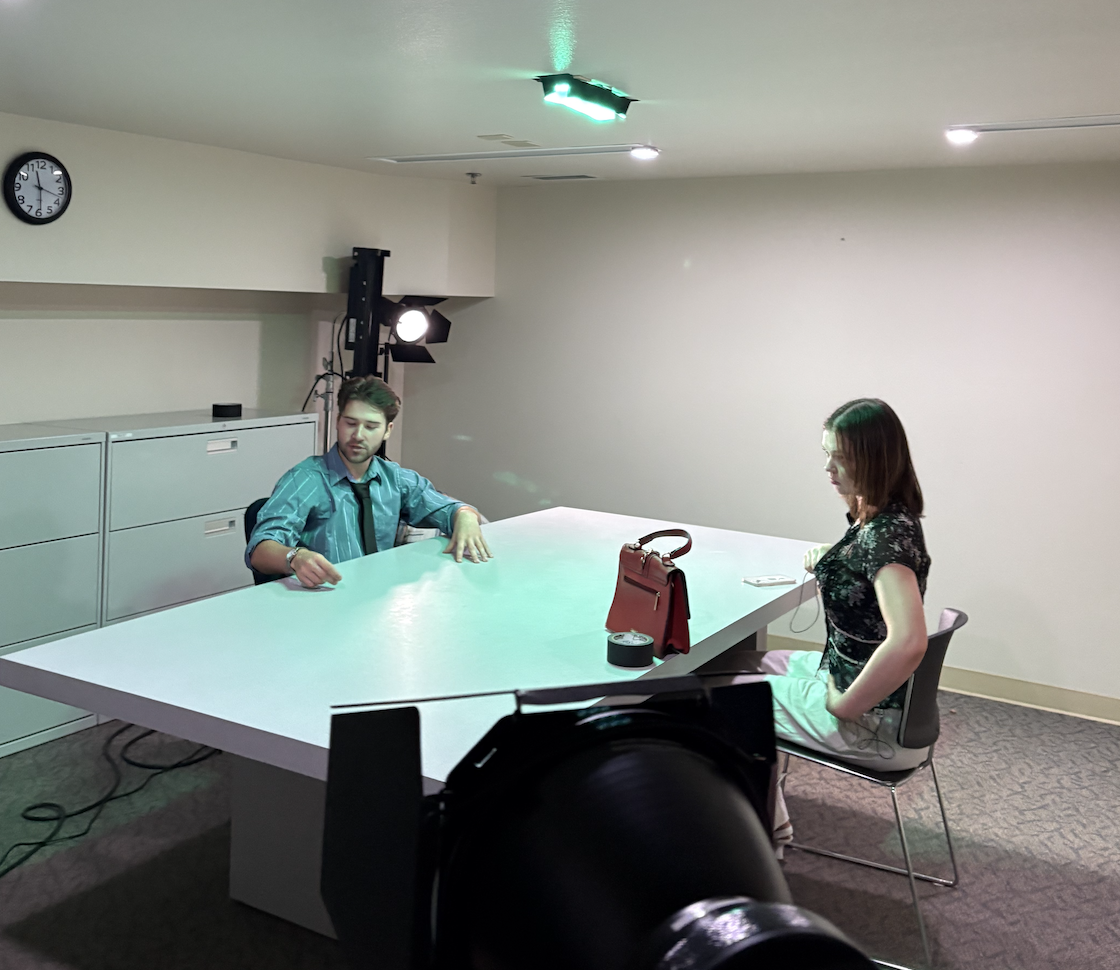
As the narrative transitions to the interrogation scene, the tone shifts dramatically. The interrogation room environment is intentionally stark and minimal: a plain table, a recording device, scattered paperwork, and minimal decoration. The cold, neutral atmosphere contrasts sharply with the warmth and theatricality of the kitchen.
This visual contrast reflects the duality of Jane’s character—between the image she presents and the truth beneath it.
Key design priorities included:
Creating a retro-inspired kitchen environment reminiscent of mid-century cooking shows
Using colorful cookware, neatly arranged shelves, and polished food presentation to reinforce the illusion of domestic perfection
Designing a stark interrogation environment that contrasts with the warmth of the kitchen
Supporting the film’s dark humor by presenting disturbing content through an otherwise cheerful visual style
The kitchen represents the role Jane was expected to perform, while the interrogation room reveals the consequences of that role collapsing.
Responsibilities as Production Designer
As Production Designer, I oversaw the visual world of both environments and helped execute several practical elements used in the film.
My responsibilities included:
Developing the overall visual concept that contrasts retro domestic aesthetics with a grounded police interrogation setting
Designing and dressing the vintage-inspired kitchen environment used in the cooking demonstration sequence
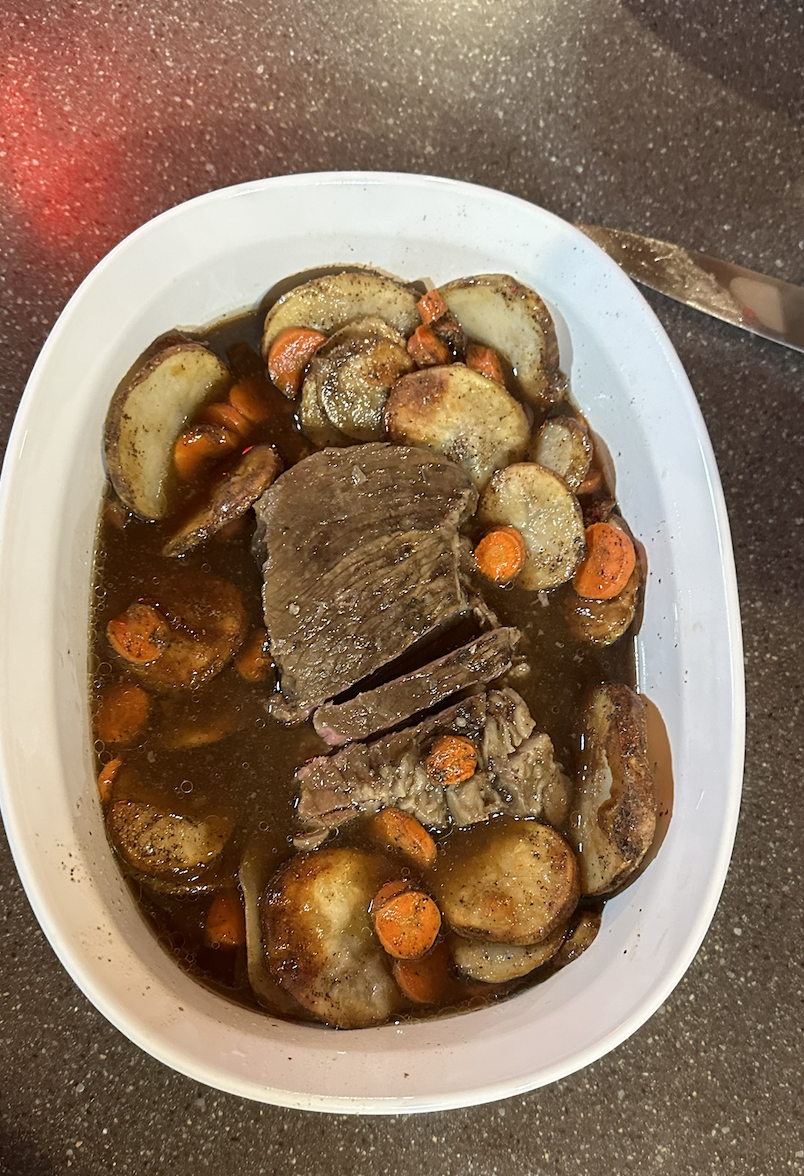
Preparing and cooking the roast beef used on camera, ensuring the dish looked visually appealing and consistent across takes
Selecting cookware, utensils, ingredients, and food presentation elements to replicate a stylized cooking show format
Designing the interrogation room layout, including table placement, props, and environmental tone
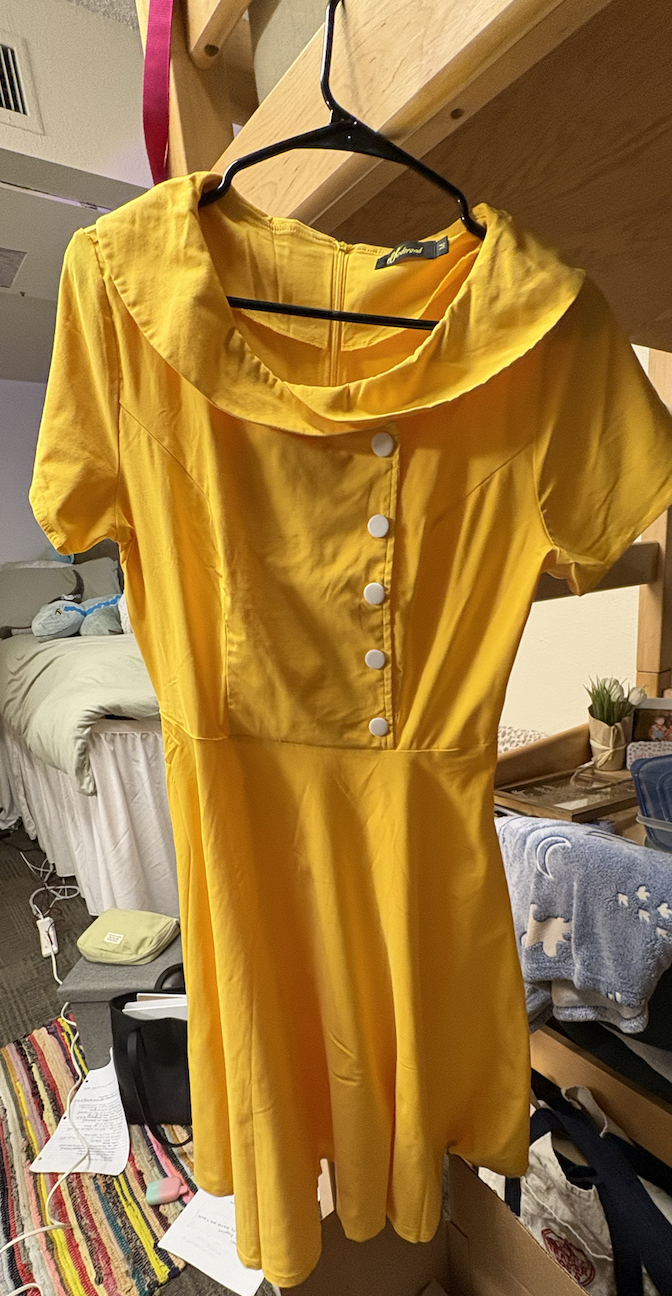
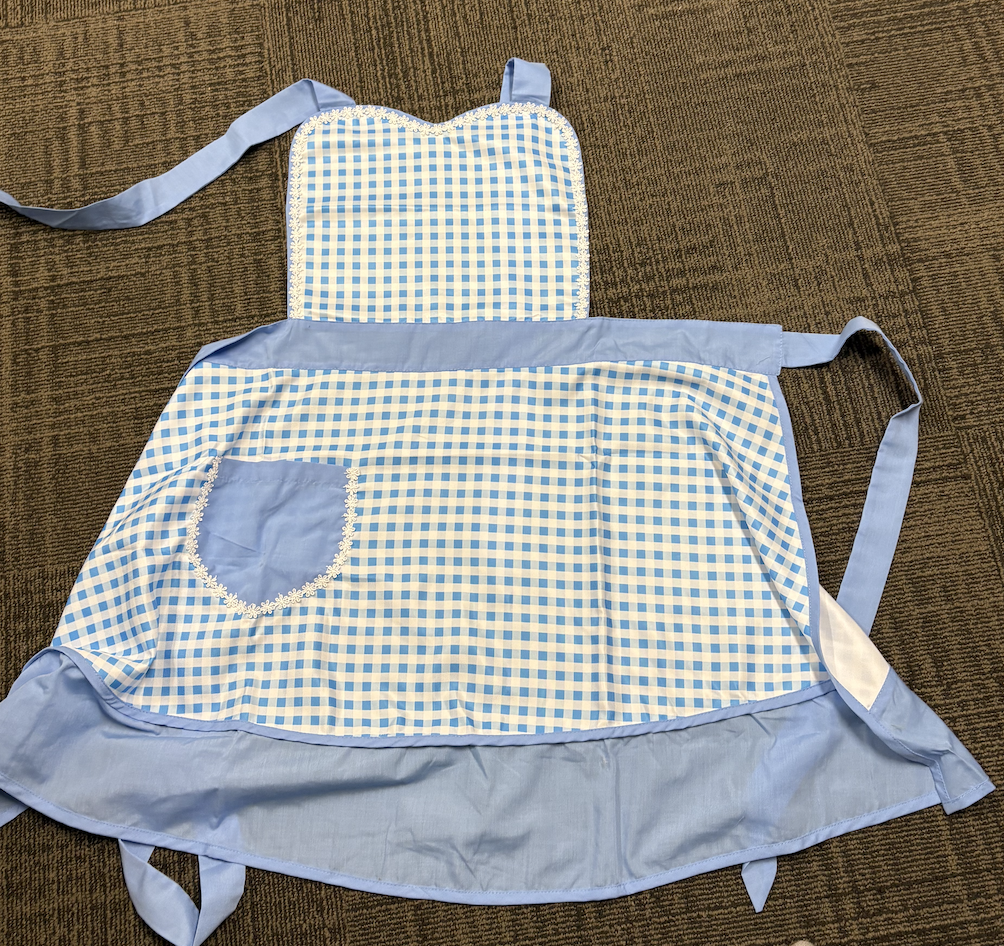
Overseeing costume design, including sourcing and styling the retro-inspired yellow shirtwaist dress and apron used by the main character to reinforce the mid-century domestic aesthetic
Working closely with the director and cinematographer to maintain a strong visual contrast between the two environments
Maintaining visual continuity between the cooking montage and interrogation scenes
Because the film moves between two drastically different tonal environments, the design and costumes work together to support the story’s shift from a cheerful domestic performance to an unsettling revelation.
Final Result
The final film visually reinforces its themes by juxtaposing a nostalgic domestic fantasy with the harsh reality of a criminal confession. The colorful, polished kitchen initially invites the audience into a familiar cooking-show format, only to gradually reveal the unsettling truth beneath Jane’s carefully constructed persona.
Through careful production design, food styling, and costume choices, the film’s visual world supports its dark satire—presenting an idealized version of domestic life before exposing the disturbing reality underneath it.
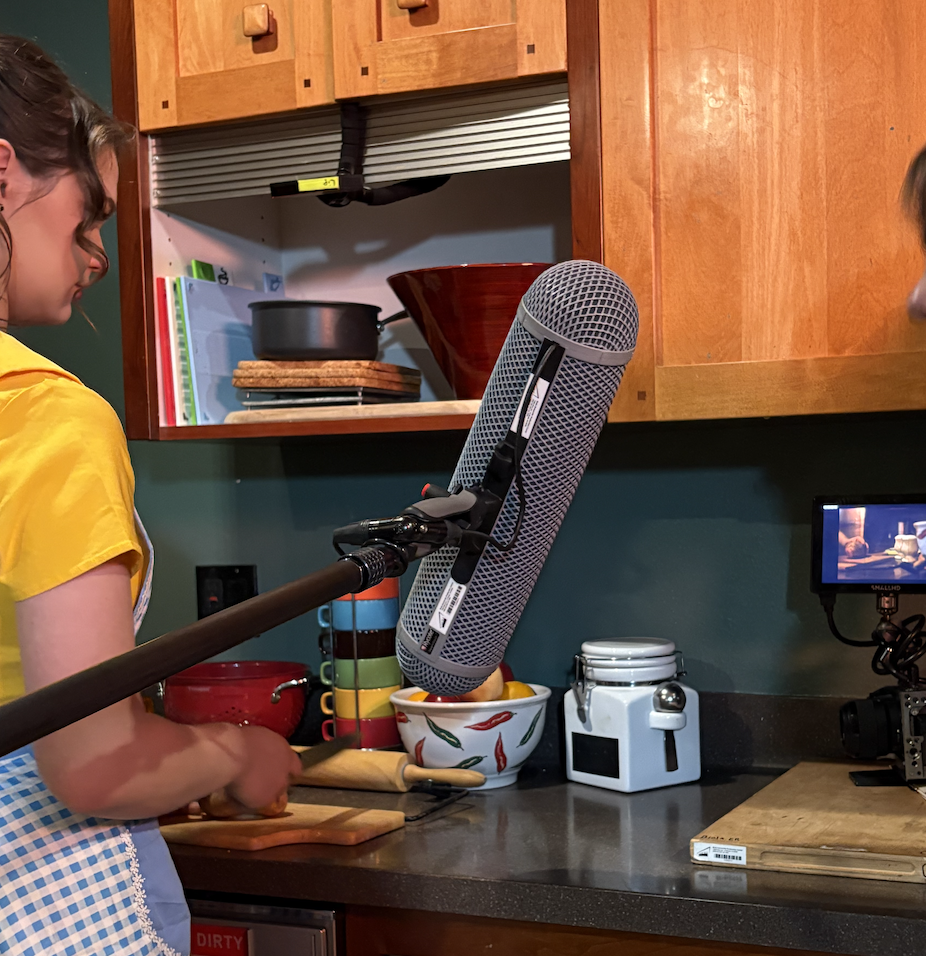
Below are sourcing images, costume pieces, prop preparation, production stills, and behind-the-scenes photos documenting the design process from pre-production through filming.